 Bradford Boulger спросил 2 года назад
 Mesothelioma Asbestos Diagnosis
Malignant mesothelioma, a rare form of cancer that affects the tissue linings in organs that are internal is a rare condition. The disease is linked to exposure to asbestos, a class of minerals that was used to be extensively used in building materials.
Symptoms often appear decades after exposure. They can be mistaken for symptoms of other illnesses.
Signs and symptoms
The first signs of mesothelioma include a dry cough and breathing difficulties. These symptoms are often mistaken for other conditions such as pneumonia or the flu. As mesothelioma gets worse, symptoms become more severe and can affect different parts of the body. It could cause chest pain, an accumulation of fluid in the abdomen or lungs and fatigue as well as weight loss.
People who work with asbestos are at increased risk of mesothelioma and other asbestos-related illnesses. Even if the workers haven’t exposed to asbestos at their workplace and aren’t exposed to asbestos at home, they can still develop the condition due to asbestos dust brought home on clothing and skin. Family members of asbestos workers also are at a higher risk of developing mesothelioma as well as other asbestos-related diseases.
Symptoms of mesothelioma asbestos can take between 10 and 20 years to appear after exposure. This is because asbestos fibers inhaled or consumed lie dormant for decades before they attach to organ linings, and cause tumors.
There are four mesothelioma types, including peritoneal (peritoneal) and pericardial (pericardial) and testicular. The mesothelioma type is determined by where the cancer first develops and the way it spreads.
Most cases of mesothelioma start in the lining that surrounds the lung (pleura), although it can also begin in the stomach’s lining (peritoneum) or in the lining around the heart (pericardium). It is rare for mesothelioma cancer to grow.
Mesothelioma asbestos is typically caused by inhaling or swallowing airborne asbestos settlement fibers and the symptoms can take a long time to show up. This period of latency can make mesothelioma difficult to diagnose, especially in its earliest stages.
A mesothelioma diagnosis is typically made by a doctor who examines the medical history of the patient and looks for any asbestos-related issues. They may also recommend an imaging test to check for signs of fluid in the lungs, such as an CT scan or an MRI. They can also refer the patient to a specialist who is able to run further tests. It’s important for patients to inform their doctors whether they’ve been exposed to asbestos (articlescad.com’s website), since this information could help them get a faster diagnosis and treatment plan.
Diagnosis
The first step to mesothelioma asbestos legal diagnosis is a physical exam. A doctor will check for typical symptoms like difficulty breathing or coughing. They will also ask about your past exposure to asbestos and your work background. If you have a history of asbestos litigation exposure inform your doctor right away.
Due to the lengthy latency period of mesothelioma it can take between 20 and 60 years between the time of exposure and the onset of symptoms. These symptoms can be mistaken for other illnesses such as influenza or pneumonia.
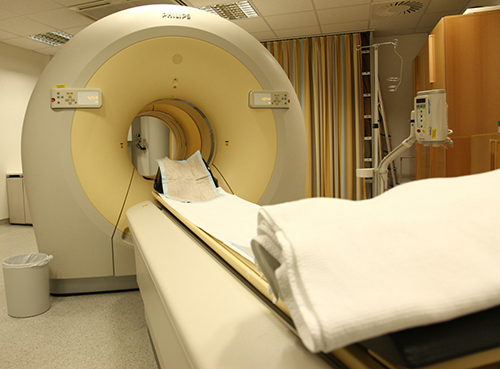
Your doctor will first order an X ray of your chest. If the X-rays show fluid in your lungs doctors will perform further tests to find out what causes the build-up of fluid. The tests can include CT scan, PET scan, or an MRI. The scans are a collection of images and stitch them together to create computerized three-dimensional images of the tissues of the body.
These tests can reveal the presence of an abnormal or large growth. They can also reveal whether the cancer has spread to other parts of the body. They aren’t conclusive, and they are not able to determine mesothelioma’s diagnosis.
Only a biopsy will confirm if you have mesothelioma. A biopsy is a procedure to take tiny pieces of tissue from the affected area and examining it under a microscope. Your doctor can use a needle or a tube equipped with a camera video and light to take samples from the lining on your lung. This tube is known as a thoracoscope.
The thoracoscope is also used to collect tissue samples from different parts of the body, such as the abdomen and the pericardium, (the thin membrane that is the heart’s protective layer). A biopsy is the only way to tell for sure whether you have mesothelioma. If a biopsy isn’t possible doctors can look for asbestos fibers in your blood or urine. A lung function test can be performed to determine the health of your lungs.
Treatment
Mesothelioma is a condition where malignant (cancerous) cells develop in the abdomen or chest. It can also affect the tissues of the testicles and heart, but is less common in these regions. Exposure to asbestos increases the risk of malignant mesothelioma. The symptoms appear several decades after asbestos exposure.
It can be difficult for a physician to recognize mesothelioma that is malignant. This is because the symptoms are similar to those of other illnesses, such as influenza or pneumonia. Mesothelioma has a long latency and many people don’t seek medical attention until they are seriously ill. Asbestos victims should be especially cautious to report any asbestos-related symptoms, such as difficulty breathing or a lump in the rib cage to a doctor.
Mesothelioma can be diagnosed with various tests. A chest X-ray can reveal lung changes, such as pleural thickening and pleural effusion (fluid buildup). A CT scan, MRI scan or positron-emission tomography (PET scan) can reveal the location of tumors. A blood test is a way to determine if there are mesothelioma-related elevated levels.
A biopsy can confirm the diagnosis of mesothelioma. In most cases, a surgical procedure is required to remove mesothelioma tissue and biopsy samples to be tested further. The surgery may be performed by traditional methods or with the aid of newer methods, such as immunotherapy.
Once mesothelioma is diagnosed the patient’s doctor will discuss the treatment options. Mesothelioma is an aggressive cancer and a cure isn’t always feasible. However, treatment can increase a patient’s quality of life and increase the odds of survival.
The mesothelioma mortality rate ranges from 18 to 31 months, depending on the treatment. The most commonly used treatment is a multimodal one, which combines chemo and radiotherapy, as well as surgery and other therapies. The treatment the patients receive is based on a variety of factors, such as the stage of cancer, the site and their overall health. Patients should seek advice from a physician to determine which treatment is best for them. Workers’ compensation laws and trust funds can assist victims pay for mesothelioma treatments. They can also help victims find financial support for their children’s education, housing and expenses of living.
Prognosis
Mesothelioma is a rare type of cancer that affects internal organs’ linings, is a rare condition. This cancer is typically linked to exposure to asbestos. Exposure to this toxic substance occurs when people breathe in or swallow asbestos fibers that get into the body. The mesothelial cells begin to develop mutations when this occurs. These abnormal cells can turn into tumors or mesothelioma.
It is challenging for doctors to diagnose this disease, as its symptoms are similar to other diseases or cancers. It can take up to fifty years for symptoms to manifest. This time lag makes it difficult to link the symptoms to asbestos exposure.
The first step is to speak with the doctor about any complaints and history of asbestos legal exposure. A doctor will then conduct physical examinations and blood tests to look for mesothelioma-related symptoms like fluid around the stomach or lungs that are often seen with this disease.
When mesothelioma has been diagnosed by a doctor, they will recommend an examination to confirm the diagnosis. A biopsy is a surgical procedure that involves the removal of tissues from the affected area. The biopsy can be done in a variety of ways based on the location of the tumor as well as the extent of its progression.
Most mesothelioma patients suffer from pleural (chest cavity) mesothelioma. It can also affect the pericardium (the thin membrane that protects your heart) or the abdomen’s lining. A rare mesothelioma type can also form in the testicles.
Men are at greater chance of developing mesothelioma due to the fact that they are more likely to have been exposed to asbestos in electrical work, construction, auto repair and shipbuilding. The people who worked in the military are also at risk of mesothelioma because asbestos case was extensively used in aircrafts, ships and barracks on bases. Additionally, mesothelioma is more prevalent in those over the age of 65. The symptoms usually manifest in older people and may be mistaken for other illnesses such as pneumonia, the flu, or digestive issues.