
 Brenna Gonyea спросил 2 года назад
Mobility Scooter Laws — Where Can I Drive a Mobility Scooter?
Mobility scooters are usually the primary mode of transportation for older adults. They help them maintain their independence and delay needing assisted living. It is important to understand how to operate the scooter safely and legally.
Class 2 scooters are able to be driven at pedestrian speeds (4 mph) in pedestrian areas and on pavements. If you want to travel longer distances, a 6-8 mph Road Mobility Scooter is more appropriate.
Safety
Depending on the location you live in, there may be laws that govern the mobility scooters’ use on pavements and roads. These guidelines usually outline specific speeds for scooter users and safety requirements. It is essential to adhere to these rules to maintain your safety and the safety of other road users or pedestrians. It is also advisable to obtain insurance for your mobility scooter. It is not required by law however it will provide you with additional peace of mind in the event you get involved in an accident.
It is important to keep in mind that mobility scooter road or pavement — yogaasanas.science — scooters were not intended for driving at high speeds and are unable to keep pace with traffic. Therefore, it is important to drive slow and with care when driving on roads or pavement. This includes obeying speed limits and giving way to pedestrians. Avoid distractions such as headphones and mobile phones when riding a scooter. Avoid driving through roundabouts as they could pose danger to scooters.
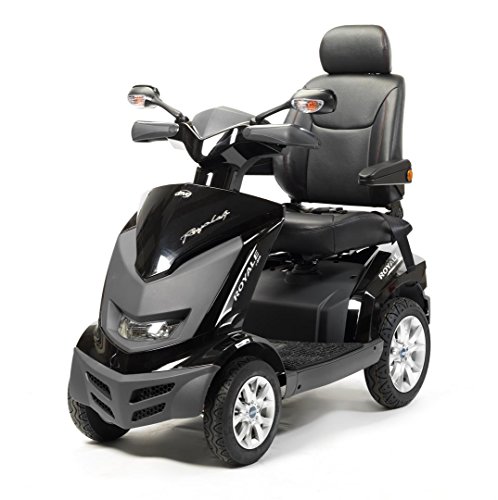 Additionally regular maintenance and routine inspections are vital for the safe operation of the scooter. This includes checking the batteries, lights, and tyres for proper functioning. It is important to be aware of potential dangers, such as potholes, and then devise strategies to avoid them. This can be accomplished by familiarizing yourself with the process of formation and the dangers of potholes as well in practicing defensive driving techniques.
Dropped kerbs are a great tip for safely navigating roads and sidewalks. These features help lower the risk of slipping and falling and also provide greater accessibility to elderly and disabled pedestrians. Using a dropped kerb can be especially beneficial in areas with a lot of pedestrians, as it allows you to turn without worrying about blocking or stifling foot traffic.
Reporting potholes is crucial as it improves the road’s condition. The development of potholes is usually the result of poor drainage, the aging of the asphalt, shrinkage cracking and utility excavations. By bringing these issues to the attention of the authorities and addressing them, you can you park a mobility scooter on the road create a safer environment for all road and pavement users.
Mobility
Mobility scooters are lifelines for individuals with mobility or physical disabilities they can provide them with independence and a better quality of life. These scooters must be used in a safe manner and conformity with the laws which regulate their use. These scooters can be classified as class 2 or class 3 vehicles. They have different speed limits and features which determine their legality.
A mobility scooter on the pavement is a great option for those who are looking to travel short distances within enclosed spaces, like in shopping centers or supermarkets. These scooters are specifically designed to be used on the pavement. They are equipped with an upper speed limit of 4mph. These vehicles can also cross the street at pedestrian crossings, and they do not require registration nor an indicator or horn. As a result, these scooters are smaller and lighter than roadworthy mobility scooters scooters of class 3 which makes them more mobile and easier to store.
Mobility scooters in Class 3 on the other hand are made for pavement and roads and can achieve speeds that can exceed 8mph. These scooters must be registered with the Driver and Vehicle Licensing Agency and have indicators and a sounder. They can be driven on the roads but it’s not recommended that you operate a scooter at high speeds on dual-carriageways.
Both pavement and class 3 scooters come with a variety of features that will help increase their mobility. Most models come with comfortable seats and suspension for smooth rides. The models are available in various sizes to accommodate your personal needs. They can also be equipped with accessories, such as baskets, crutch or cane holders, as well as USB charger ports.
Although it isn’t required to cover your scooter but it is recommended you do so for peace of mind. In addition, you might want to consider breakdown cover to assist with the cost of fixing or replacing damaged mobility scooters. In addition to these aspects it is crucial to familiarize yourself with the laws that govern scooter use in your locale.
Comfort
Many older adults who wish to maintain their independence discover that they can use a mobility scooter even though they aren’t able to drive a car. Whether they are visiting friends, shopping or travelling to their local field for a cricket match they can take in the beauty of the countryside and remain in touch with loved ones and family while being completely mobile and secure.
A road mobility or pavement scooter can allow the user to travel much further distances than a traditional travel model and can be fitted with extra features to increase safety and comfort. For instance, the seats on these models are cushioned or swivel, making it easier to take off and on the vehicle, as well as to alter the position of the steering wheel to suit their needs. They are also fitted with indicators and a horn and built-in suspension systems that take the impact of street bumps.
Most road and pavement mobility scooters are capable of handling moderate inclines but they will not be able to take on steep hills unless they are specifically made for the terrain. These models are more robust than travel scooters and come with larger engines and batteries, which allows them to travel at a greater speed and cover greater distances between charges.
Like any other motor vehicle the operation of a road bike or road scooter takes some practice to become familiar with however, most people who have used bicycles or cars will find it fairly intuitive. Certain manufacturers offer instruction for new users to help them comprehend the different controls and how they work. It is suggested that anyone who is considering purchasing this kind of scooter should try out several models to figure out which is the most comfortable and easy to operate for them. It is essential to make sure that the controls are easily accessible and that the levers are able to be operated by both hands. This lets you continue using the mobility scooter even if your hand becomes weaker.
Disassembly
For people with mobility issues Mobility scooters are an ideal way to get around. However, many aren’t sure of the rules and guidelines that govern the responsible use of mobility scooters on roads of these vehicles. This blog post will address common questions regarding where mobility scooters may be driven, as well as the responsibilities of drivers.
It’s important to keep it in mind that a mobility scoot is not a motorbike, and shouldn’t be used on the roads. They’re not made to keep pace with traffic and can cause injury to other drivers if used in a way that isn’t safe. Likewise, it’s not advisable to drive your mobility scooter into malls or shops. These places are not made to accommodate them and could cause damage to the stores’ facades or cause injuries to the other shoppers and you.
Another factor to take into consideration is the maintenance of your scooter. It is essential to conduct regular inspections and routine service by an expert. This will help prolong the life of your scooter, guarantee security and reliability, and reduce the damage caused by potholes. This includes inspecting the tyres and ensuring they are maintained them, and ensuring that the suspension and shock-absorbers are in good working order, and fixing any issues that might occur.
It is also worth investing in breakdown cover in the event that your scooter encounters any problems when on the road. While it isn’t legally required, it will give you peace of mind and provide assurance that your scooter will be covered in the event of an accident or breakdown. The cost of breakdown insurance is dependent on the company and the kind of scooter you own. You should do some research to find out which insurers provide this service. You can also read impartial reviews and find out what other scooter owners have to say about this service as well as the insurers. This will allow you to make an informed decision on the breakdown insurance you select. The best choice for you will depend on the amount of driving you plan to undertake, as well as the distances that you’ll travel. Generally speaking, a sidewalk scooter is the ideal choice for short distances and more pedestrian-friendly areas, while if you’ll be traveling for longer distances then a class 3 mobility scooter may be better suited.