 Murray Winton спросил 2 года назад
 Mesothelioma — An Asbestos Illness
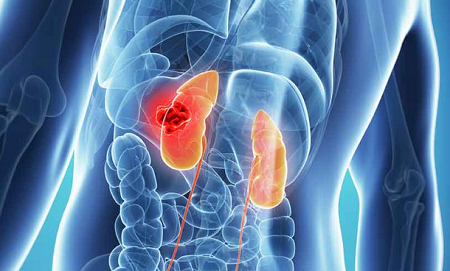
Mesothelioma is a rare form of cancer that is found in the linings that protect certain organs. It is usually found in the lungs, but it can also be found in the abdomen or chest wall.
People who have been exposed to asbestos for a prolonged period and at high levels are at the risk of developing this illness. Mesothelioma symptoms can appear between 10 and 50 years after exposure.
Signs and symptoms
Mesothelioma is a type of cancer that can affect the linings of some organs in the body which is usually triggered by exposure to asbestos. It usually develops in the lung’s lining (pleural mesothelioma) however it may develop in the stomach’s lining or heart, or in the tests. It is most common among people aged between 60 to 80 years old, and more common in women than males.
The only cause that is known for Mesothelioma is the exposure to asbestos. The symptoms of cancer typically appear between 10 and 50 years after exposure to this mineral. This is because stray asbestos compensation fibers that are breathed in or consumed can remain in organ linings for a while before they cause health issues.
Early mesothelioma signs are often confused with other illnesses like influenza, pneumonia or lung problems. This makes it difficult for doctors to recognize the condition and may cause delays in treatment.
Patients may be more painful and have severe symptoms in the late stages of mesothelioma. The type of symptoms depends on the location where the cancer is located. Pleural mesothelioma can cause chest pain and difficulty breathing. Peritoneal mesothelioma can cause abdominal pain or swelling.
Patients with mesothelioma that are in the late stages can also experience fatigue, nausea and weight loss. In some instances, cancer cells can expand to lymph nodes and bloodstream, which could cause existing symptoms to get worse and new ones to emerge.
Doctors can help to diagnose mesothelioma through examining the patient and asking about their past exposure to asbestos. The doctor will refer the patient to further tests, including imaging technology that can look inside the body and determine the extent to which cancer has spread. These techniques are also employed to determine the stage of a cancer, assessing the treatment plan and monitoring a patient’s response to treatment.
Diagnosis
Mesothelioma is a form of cancer that can affect the lining of certain internal organs. It is triggered by exposure to asbestos. Mesothelioma can develop anywhere between 15 and 50 years after exposure to asbestos. It is most commonly found in the pleura, however it can also occur in the pericardium and the peritoneum. Mesothelioma is not curable, however treatment can ease symptoms.
Workers in industries that involve asbestos are at a higher risk of developing the disease. Other people who are exposed to asbestos in other ways such as living in an asbestos-contaminated home or at school could also be at risk. Mesothelioma occurs most often in people who are older than 75 years old, and men are more susceptible to it than women.
Mesothelioma can be linked to many different jobs. However the majority of cases are which involve those who worked with asbestos directly or in areas that were exposed to asbestos, for example, mines and construction sites, or asbestos insulation plants. This includes shipyard workers and electricians as along with painters, painters, and other tradespeople.
Asbestos is an assortment of minerals that occur naturally and are bundles of fibers. It is found in rocks and soil around the globe. Asbestos fibers are released into the air when asbestos legal (you could try this out) is disturbed. The fibers can be inhaled. When these fibers are inhaled, they can damage the lungs and lead to respiratory ailments like asbestosis. In time, they could cause malignant mesothelioma which is a form of cancer.
A doctor will first assess and collect a medical history of the patient. They will inquire about the exposure to asbestos and perform a chest X ray and CT scan.
If there is a buildup of fluid The doctor can insert a needle into the affected area and then take a sample to test for mesothelioma-like cells. They can also take a biopsy of the affected tissues to confirm mesothelioma.
If a doctor suspects that mesothelioma is present in a patient, they will likely refer them to a specialist. The specialist will perform additional tests and establish a treatment plan.
Treatment
Mesothelioma can be a fatal disease. People who have been exposed to asbestos should discuss their history with a doctor and get regular screenings. Mesothelioma symptoms usually appear decades after asbestos exposure. Mesothelioma has a long time of latency which makes it difficult to identify. However, the mesothelioma prognosis is usually very good when a person is treated early and using aggressive methods.
Asbestos is a collection of minerals which contain microscopic fibers. They are impervious to fire, heat, and chemicals and don’t conduct electricity. Asbestos was once widely used in construction and other industries because of its properties. However, the health hazards associated with asbestos were not fully understood until recent times.
People who have been exposed to asbestos should inform their physician if they experience persistent symptoms like a dry cough, difficulty breathing or changes in the shape of the fingers and the toes (finger clubbing). Mesothelioma may also cause other diseases, such as pulmonary fibrosis. This is an inflammatory lung disease that causes scarring in the lungs. This can lead to serious respiratory issues and a decrease in a patient’s quality life.
There are three kinds of mesothelioma: malignant mesothelioma (Mesothelioma), mysothelioma sarcomatoid. The type of mesothelioma patients suffer from will determine the treatment options available and their outlook.
The most frequent mesothelioma type is called mesothelioma of the pleural region that affects the lining of the lungs (pleura). Asbestos is a known cause of this cancer. It can take as long as 50 years for symptoms to be evident. It can cause chest pain and fluid accumulation in the pleura.
Pleural mesothelioma can be diagnosed through tests such as a CT scan, an MRI and biopsy. These tests can identify lumps or bumps in the pleura and help physicians determine the kind of mesothelioma a patient has.
The types of mesothelioma vary by cell type and rate. The most commonly used mesothelioma type, epithelioid, accounts for 60% to 80% of all cases. Sarcomatoid is less prevalent than epithelioid, and it grows more quickly. Biphasic mesothelioma is uncommon and combines both epithelioid and sarcomatoid cells. The mesothelioma type may also influence the recurrence rate of the disease.
The following is a list with preventions.
The greatest risk is for people who work with asbestos, or live in areas where asbestos-containing materials are disturbed. Mesothelioma is also caused by living near asbestos mines or factories or exposure to asbestos-containing airborne fibers or having a parent who was exposed to asbestos.
Asbestos is a class of naturally occurring minerals that have tiny microscopic fibers. The mineral was used in the production of various construction materials due to its durability and fire resistance. Asbestos-related workers are exposed when they break the material or remove the items from their work area. These particles can cause irritation to the organ’s linings when inhaled, or ingested. Mesothelioma is usually the result of years of exposure to asbestos.
Mesothelioma symptoms often resemble those of more common diseases such as lung cancer, pneumonia or bronchitis. Due to this, mesothelioma can be incorrectly diagnosed. Patients aren’t given the appropriate treatment or receive incorrect treatment because of it. A biopsy is the most effective method to identify mesothelioma. In this procedure, doctors remove the tissue from the suspected tumor or mass and study it under microscopes to determine whether it is cancerous.
Most cases of mesothelioma are related to asbestos exposure at work. The most at-risk category is the miners and workers in the manufacturing of asbestos-containing products like insulation railroad, automotive, shipbuilders and gas mask manufacturers. It has been found that family members of asbestos compensation workers can also be at risk of mesothelioma because of the clothing they wear at home.
It isn’t fully understood what causes mesothelioma or why some people are more at risk of developing the disease than others. Researchers believe that a variety of factors are responsible, including the duration and amount of exposure to asbestos as well as the genetics of a person and if they have received radiation treatment in the past.